Technology is supposed to make life easier. For too many people, it does the opposite — it creates confusion, anxiety, and a sense that you are always behind. The problem is not you. The problem is that most technology is designed for engineers, sold by marketers, and explained by people who forgot what it is like to not know. Smart Tech for Real People is a series of practical technology guides that fix this. Each book tackles a specific topic with clear explanations, actionable steps, and a focus on what actually matters in your daily life.
The Philosophy Behind Practical Technology Guides
Every book in this series follows three principles:
- Clarity over completeness — I cover what you need to know, not everything that could possibly be said. No filler, no fluff, no 500-page tomes that never get read.
- Action over theory — You should finish a book with something you can do differently today. Not vague advice, not inspirational fluff. Concrete steps.
- Respect for your time — You are busy. I assume you are reading because you want to solve a problem or understand something, not because you have nothing better to do. Every section earns its place.
Practical Technology Guides: The Series So Far

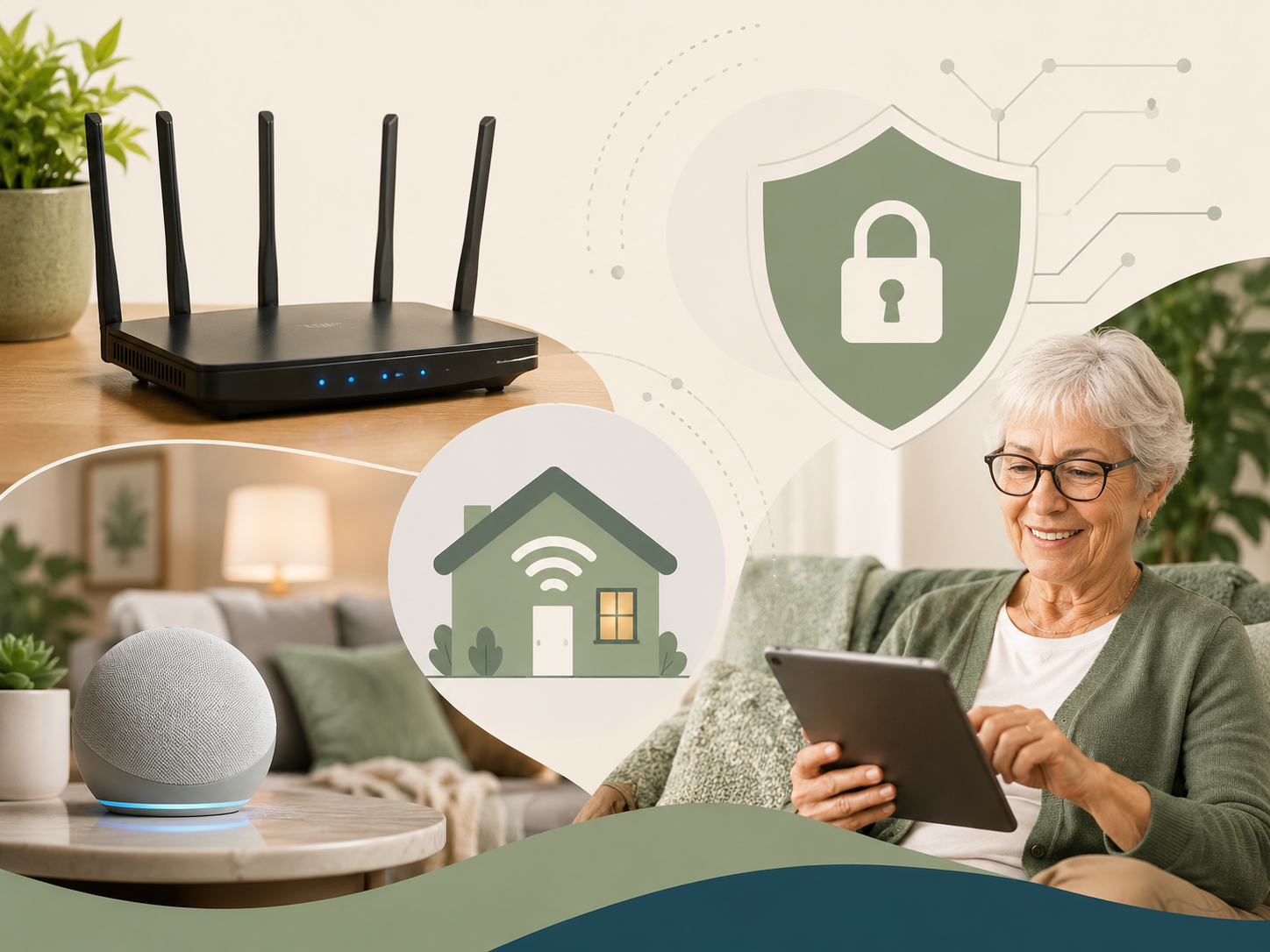
Smart Tech for Real People currently covers twelve topics, with more practical technology guides in development:
Digital Foundations
- Digital Literacy — Understanding the technology you use every day. How computers, phones, and the internet actually work, without the jargon.
- Privacy & Cybersecurity — Protecting your accounts, devices, and information. Practical security for real people who do not have an IT department.
- Online Privacy — Controlling what the internet knows about you. Browser settings, search alternatives, and habits that actually matter.
Home & Network
- Home Networking — Wi-Fi, routers, and getting the most from your internet. Fix dead zones, understand speed tests, and stop paying for bandwidth you cannot use.
- Family Internet Safety — Protecting children and managing shared home internet. Parental controls, screen time, and conversations that work.
- Smart Homes — Making your home work for you, simply and securely. Automation without surveillance, convenience without complexity.
Self-Hosting & Independence
- The Modern Homelab — Your home, your servers, your rules. Run services at home without turning your basement into a data center.
- Self-Hosting — Own your data, run your services, control your digital life. Email, cloud storage, calendars, and more — on your own hardware.
- Local AI — Run AI on your own hardware with no cloud or subscriptions. Private, fast, and surprisingly capable.
- Personal AI Assistants — AI that works for you, on your terms, on your devices. No creepy listening, no data harvesting, no subscription lock-in.
- AI Tools for Everyday Life — Practical AI for real people, no hype or coding required. Writing, research, images, and productivity — explained clearly.
Accessible Technology
- Smart Tech for Seniors — Technology that works for you, not against you. Designed for older adults who want to stay connected without frustration.
Why Practical Technology Guides Need the Book Format
I chose a book series over a blog or video channel because books force discipline. A blog post can be helpful but it is usually narrow — one tip, one trick, one explanation. A book demands a complete, coherent treatment of a topic. It has to flow. It has to connect ideas. It has to be readable cover-to-cover or usable as a reference.
That is what these practical technology guides aim to be: a reference library you can actually use. Not a collection of blog posts bound together, but real books written as real books.
What Is Next for Practical Technology Guides
The first batch of practical technology guides is in editing and production. I will release them as they are ready, starting with the topics that have the clearest demand. The website pages above will be updated with availability information, sample chapters, and links to purchase as each book launches.
If you want to follow the series, the best way is to subscribe to the Smart Tech newsletter. I will send updates when new books are available, when existing books get updated, and when I publish related guides or tools.
Explore the Smart Tech series →
Subscribe to Smart Tech updates →
For more on digital literacy and privacy, the Federal Trade Commission Consumer Advice and the Electronic Frontier Foundation are excellent resources for staying informed about online privacy and security.