



A living update thread accompanies the Bitaxe mining guide with clarifications, corrections, and new notes that reflect changes in hardware, firmware, tuning, and troubleshooting. It is meant to keep the printed book current as the open-source mining ecosystem evolves.
The post says future entries will cover hardware revisions, firmware updates, efficiency addendums, dashboard integrations, and reader questions. It also announces upcoming notes on recent firmware changes and updated tuning ranges for Gamma boards.

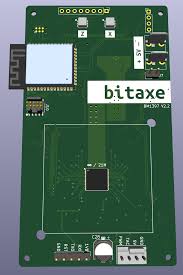
Bitcoin Mining with Bitaxe — Living Updates, Addendums, and Ongoing Notes
The world of open‑source ASIC mining moves fast — faster than any printed book can keep up with. New Bitaxe revisions appear, firmware evolves, dashboards improve, and the OSMU community continues to push the boundaries of what small‑scale miners can do at home.
This post marks the beginning of a living update thread for Bitcoin Mining with Bitaxe: The Complete Guide to Open‑Source ASIC Mining at Home, Beginner to Advanced. Think of it as the book’s companion log: a place where I can publish clarifications, corrections, new examples, expanded explanations, and notes on hardware or firmware changes that arrive after the book goes to print.
If you’re reading the book and want the freshest information, this is where you’ll find it.
Why This Thread Exists
A printed guide can give you a solid foundation — and that’s exactly what the book aims to do — but Bitaxe is a rapidly evolving open‑hardware project. Since the earliest Max boards, the pace of development has only accelerated. New boards, new tuning ranges, new dashboards, new node integrations, and new community tools appear constantly.
Rather than waiting for a second edition, this thread lets me:
- Publish addendums to specific chapters
- Share updated tuning tables or efficiency ranges
- Note firmware changes that affect setup or operation
- Add new troubleshooting patterns as they emerge
- Highlight new Bitaxe variants or open‑hardware siblings
- Provide clarifications based on reader questions
- Link to new community resources worth knowing about
It keeps the book alive — and keeps you informed.
What You’ll Find Here
As updates accumulate, this thread will grow into a structured reference. Expect entries such as:
• Hardware Updates
New Bitaxe revisions, Turbo variants, Hex developments, or changes in recommended PSUs, fans, or accessories.
• Firmware Notes
Changes to AxeOS, new features, new configuration fields, or updated flashing instructions.
• Tuning & Efficiency Addendums
Revised frequency/voltage bands, updated J/TH ranges, or new insights from community testing.
• Troubleshooting Expansions
Additional patterns, new error messages, or improved diagnostic steps.
• Node & Dashboard Integrations
Updates to Umbrel, Raspiblitz, Home Assistant, Prometheus exporters, or new monitoring tools.
• Clarifications & Reader Questions
Short explanations that didn’t fit neatly into the book but help deepen understanding.
Each update will be timestamped and linked back to the relevant chapter or appendix.
How to Use This Thread
If you’re reading the book:
- Treat this thread as a living appendix
- Check back periodically for new entries
- Use it to cross‑reference your setup or troubleshooting
- Follow along as the Bitaxe ecosystem evolves
If you’re new to Bitaxe:
- This thread gives you a sense of how quickly the project grows
- It also shows how open‑source hardware benefits from community iteration
If you’re an experienced miner or builder:
- You may find new tools, dashboards, or firmware branches worth exploring
- And if you spot something worth adding, feel free to reach out
First Updates Coming Soon
I’ll begin posting the first addendums shortly — including notes on recent firmware changes, updated tuning ranges for Gamma boards, and a few clarifications that didn’t make it into the manuscript.
Thanks for being part of this project.
Open‑source mining thrives when knowledge is shared, improved, and kept alive — and this thread is one more way to do exactly that.
Leave a Reply Cancel reply