Author: Greg Weir

  • The Licence Is the Beginning: Practical Skills for Getting on the Air

    The Licence Is the Beginning: Practical Skills for Getting on the Air

    Passing the amateur-radio license exam gives you permission to transmit. Confidence on the air comes from what you do next.

    The amateur radio licence exam tests knowledge: regulations, basic electronics, operating procedures, and safety. That knowledge is necessary. It is not the same as being comfortable on the air.

    Most newly licensed operators discover this quickly. The exam covers what you need to know. The air is where you learn what to do — and the gap between those two things is wider than most people expect.

    Understanding the Basic Signal Path and Radio Controls

    Before making a contact, you should be able to trace the signal path from microphone to antenna and back again. Know where the audio enters, how it is modulated, what the amplifier does, and what the antenna radiates. On the receiving side, understand how the antenna picks up signal, how the radio selects a frequency, and how the audio reaches your speaker or headphones.

    Every radio is different, but the controls share a common vocabulary: frequency selection, VFO versus memory channels, squelch, RF gain, AF gain, filters, and mode selection. If you cannot find each of these on your radio without searching, spend time with the manual and the front panel until they are familiar. Muscle memory matters when conditions change quickly.

    Preparing for a First Contact

    A first contact does not need to be impressive. It needs to be completed. The goal is to exchange information clearly, confirm that both stations copied each other, and end the contact cleanly.

    Before transmitting:

    • listen on the frequency to confirm it is not in use;
    • have your callsign ready and know the phonetic alphabet version;
    • know the signal report system (RST for voice, CW for Morse);
    • keep a pen and log nearby, even if you plan to log digitally later;
    • if calling CQ, state your callsign clearly and slowly, twice.

    The first exchange will feel fast. That is normal. With practice, the rhythm becomes natural.

    Repeaters, Nets and Operating Etiquette

    Repeaters extend your range by retransmitting your signal from a higher antenna site. They are also where most new operators make their first contacts, because someone is usually listening. Before using a repeater, learn its offset, tone, and any access rules. Listen for a while to hear how operators on that machine conduct exchanges.

    Nets — scheduled on-air gatherings — are an excellent way to practice in a structured environment. A net control station manages check-ins and directs traffic. Joining a net as a visitor teaches you timing, brevity, and protocol without the pressure of a free-form QSO.

    General etiquette applies everywhere: identify your station at required intervals, keep transmissions short, yield to emergency traffic, avoid interrupting ongoing contacts, and do not tune up or test on a frequency that is in use.

    Logging and Confirming Contacts

    Logging is not just a regulatory requirement in some jurisdictions — it is your personal record of progress. A minimal log entry includes: date, time (UTC), frequency, mode, the other station’s callsign, signal reports sent and received, and any notes about conditions or the contact itself.

    Confirming contacts through services like LOTW or QRZ.com adds a layer of verification and is a common part of the hobby. The confirmation process teaches you to keep accurate records, because a mismatched log entry can prevent a confirmation from matching.

    Diagnosing Why a Contact Attempt Failed

    Not every call gets a response. When a contact attempt fails, the cause is usually one of:

    • No one is listening. The frequency may simply be unoccupied. Try a different band or time of day.
    • Propagation is not cooperating. Band conditions change with time of day, season, and solar activity. What worked yesterday at the same frequency may not work today.
    • Your signal is too weak. Power output, antenna efficiency, and feedline losses all matter. A SWR check and a power meter reading can rule out hardware issues.
    • You are not being heard clearly. Audio quality, microphone technique, and background noise affect intelligibility. A recorded test transmission can reveal problems you cannot hear live.
    • The frequency is in use but you did not hear the other station. This happens when propagation is one-way or when a distant station cannot hear you but can be heard by others.

    Diagnosing failures is a skill. Each one teaches you something about radio, conditions, or your own station that you would not learn from a successful contact.

    Practicing with the Free RadioBook Game Suite

    The RadioBook Game Suite is a free, browser-based set of interactive games and simulations that let you practice amateur radio skills without a radio. You can build virtual circuits, practice Morse code with instant feedback, simulate on-air contacts, identify interference patterns, estimate band conditions, and work through a license-class ladder — all from a web browser, with no installation required.

    For a newly licensed operator, the Game Suite is a low-pressure environment to build the reflexes that make on-air time more productive. For an instructor or club leader, it provides ready-made exercises that complement classroom material and exam preparation.

    The games do not replace real air time. They make real air time more efficient by letting you fail safely, repeat quickly, and arrive at your radio with a foundation of practiced responses.

    When you are ready to go deeper, the RadioBook series covers amateur radio from first principles through advanced operating — five books with companion browser games, available now in Kindle and paperback.

    For occasional updates about RadioBook, game improvements, and new companion material, join the RadioBook Updates list.

    — Greg Weir, VA1GW

  • ISBN Backlog Canada: Why Indie Publishers Wait Months to Release Books

    If you are a Canadian author or publisher with a finished manuscript, edited, formatted, and ready to go, you might reasonably expect to publish it within days or weeks. That is how it should work. That is not how it works right now.

    ISBN Backlog Canada - Desk with books, laptop showing ISBN Canada temporarily unavailable message, and a tartan leaf mug

    The Problem: ISBN Delays in Canada

    In Canada, ISBNs are issued exclusively by Library and Archives Canada. They are free. They are mandatory if you want libraries, bookstores, or distributors to carry your work. And as of mid-2026, the wait for a new block of ISBNs is running at three months or longer.

    This is not a temporary glitch. The backlog has been growing since at least early 2026, with no published recovery plan and no way to expedite.

    Why Not Just Use Amazon KDP’s Free ISBN?

    Amazon KDP does offer free ISBNs for print books, but with a significant restriction: the imprint listed is Amazon’s, not yours. That means your book is effectively locked to Amazon’s distribution network. Libraries, independent bookstores, and non-Amazon retailers generally will not stock a book tied to another company’s ISBN.

    For a Canadian publisher who wants wide distribution — including Canadian libraries, local bookstores, and international channels — a publisher-controlled ISBN from Library and Archives Canada is the only viable path.

    What This Means for Tartanleaf Publications

    I used the allotment of ISBNs I was issued. I applied for more in July 2026. I am now in the queue with everyone else. Here is the direct impact on my published works:

    • RadioBook volumes 4 and 5 are complete and ready for publication. They are sitting idle.
    • The Ham Radio Answer Guide — Canadian Edition paperback is ready, but the eBook is blocked.
    • Smart Tech for Real People (12 books, all drafted) cannot move past formatting into release.

    The work is done. The only blocker is a government queue.

    What Other Publishers Are Experiencing

    This is not an isolated issue. Canadian indie publishers across genres are reporting the same frustration, and the timelines keep stretching. The investigative journalism site The Receipts has documented the ISBN backlog extensively, reporting that “ISBN Canada’s stated 30-day window has stretched past 3 months. The agency confirms it cannot expedite requests.” Read their full investigation.

    Lincoln Shand, a fantasy author, applied two weeks before his May 19th launch only to discover the backlog had pushed his timeline out by months. “At one point, the normal wait was 3-5 business days,” he wrote. “So now I wait.” Read his full account.

    Warriors of the Last Days, a dystopian novel series, received a response from LAC explaining that “very high volume of requests and staff holidays” have pushed processing beyond the published 30-day window. See their update.

    Even the official Canada.ca ISBN page now carries a “significant backlog” notice, warning applicants to expect up to two months — though publisher reports suggest the actual wait is now 3+ months. View the official notice.

    In the Authors Supporting Authors Facebook group, Canadian publishers have been sharing their timelines since February 2026:

    “I applied on Jan 2. I emailed them on Feb 2, and they replied that they were currently reviewing applications submitted on Dec.” — Genoa Kay

    “Mine took like 2 months and I had to send a bunch of emails asking what the hell was going on, it was very annoying.” — George Anthony

    “I was told they’re still working on applications from end of December.” — Al Malcolmson (February 2026)

    “I did mine last year and didn’t get my ISBN until this year. I think the wait period was 3-4 months?” — Jenna Frowen

    “It’s frustrating! It took about 1.5 months for me.” — Daniel Robert Verkoeyen

    The pattern is consistent: what was once a 3-5 day process has become a multi-month queue with no sign of improvement.

    What You Can Do

    If you are a Canadian author or publisher in the same situation, the most useful thing you can do is make the issue visible. Contact your MP. Mention it in industry forums. Share your own timeline. Bureaucratic backlogs tend to get attention only when they become publicly uncomfortable.

    For readers waiting on the next RadioBook or Smart Tech for Real People title: the books exist. They are written, edited, and formatted. As soon as the ISBNs arrive, they will go live. I will update this post when that happens.


    Last updated: July 11, 2026
    Current LAC processing time: 3+ months and growing
    Sources: The Receipts — ISBN Backlog Investigation, Library and Archives Canada

  • Bitaxe & Friends Update – Early July 2026

    Bitaxe & Friends Update – Early July 2026

    The last month in the Bitaxe and open-hardware mining space has been quieter on the headline-hardware front, but there are still a few threads worth flagging for anyone following Bitaxe, NerdQAxe, and their cousins. The focus remains on firmware polish, broader solo-mining context, and the slow-but-steady creep of BM1373-based designs from rumor toward reality.

    Firmware: ESP‑Miner cadence, not drama

    On the core Bitaxe side, ESP‑Miner’s release train continues to move, but without a brand-new, post‑June 6 firmware that changes the day-to-day experience for most users. The GitHub releases page still shows the early‑2026 “early access” line as the most recent branch, explicitly framed as a preview/test build rather than a stable, production firmware.

    For practical purposes, that means the major firmware storyline over the last 30 days is continuity rather than surprise: the early-access branch remains the place where new features land first, while production-minded users stick to the last stable, focusing on incremental bug fixes and AxeOS update workflows documented by vendors like D‑Central and solomining.de.

    If you are already on a recent stable release and comfortable with AxeOS’s “Check latest release” flow, there has been no urgent “drop everything and update” event in late June or early July—just the same slow burn of improvements and documentation refinement.

    Solo mining: data, not just anecdotes

    While not Bitaxe-specific, the solo-mining story around desktop-class miners kept building in early June with more concrete pool data and coverage. A June 3 report pulled together stats from multiple solo pools—CKPool, Public Pool on Umbrel, and Braiins Solo—showing dozens of verified solo block wins since mid‑2023, including several new ones in 2026.

    The piece highlights that solo miners are still occasionally landing full 3.125 BTC rewards (plus fees) with payouts often in the 200,000 to 300,000 USD equivalent range, even as hashpower centralization continues at the farm scale. That may not change the expected-value math for Bitaxe-class rigs, but it reinforces the idea that the “lottery ticket” framing is grounded in fresh, measurable events rather than old legends.

    For readers following Bitaxe and NerdQAxe specifically, the implication is that the ecosystem those boards live in—small, often open-source miners pointed at solo or hybrid pools—remains very much alive and statistically visible in pool operator reports.

    NerdQAxe++ and “remastered” clones

    Outside the Bitaxe.org umbrella, NerdQAxe++ continues to evolve as a Bitaxe-derived, higher‑hashrate option. Mineshop’s 2026 review positions NerdQAxe++ as a 4.8 TH/s, desk‑friendly ASIC miner based on the Bitaxe hardware design, clearly targeting the same hobby/solo‑miner market but with more raw hash on tap.

    In late June, TinyChipHub followed up with a beginner‑friendly setup guide for the “NerdQAxe++ Remastered” variant, quoting around 5.2 TH/s ±10% at roughly 80 W, with four BM1370 chips and a very Bitaxe‑like Wi‑Fi/AxeOS configuration flow. The guide is framed squarely at first‑time miners: walk-throughs for joining the built‑in Wi‑Fi network, saving credentials, and making sure the on‑screen SSID matches what your laptop or phone sees.

    For anyone already comfortable with Bitaxe, NerdQAxe++ is less about learning new concepts and more about deciding whether the added hash and power draw are worth the incremental cost and noise. In other words: same open‑hardware philosophy, slightly more industrial‑strength implementation.

    BM1373: from rumor to practical considerations

    The BM1373 conversation is still mostly forward‑looking, but there are a few more grounded hints about how that chip will shape the next wave of Bitaxe‑adjacent hardware. A Facebook discussion from late April, still very relevant in June/July, notes that BM1373 is coming with revised boards and explicitly mentions replacing defective chips in NerdQAxe++–class devices—an early sign that the ecosystem is thinking about repairability and lifecycle, not just performance.

    At the same time, vendor content aimed at mainstream buyers has started positioning BM1373-based gear as the “next” step after current Bitaxe Gamma/GT and NerdQAxe++ boards, with some reviews referencing prototype GT‑style miners hitting multi‑TH/s figures on BM1373 while staying within hobby‑friendly power envelopes.

    There is still no clear, official “you can buy this BM1373 Bitaxe right now” announcement from Bitaxe.org, but the gravitational pull is obvious: next‑gen chips plus open‑hardware designs are converging; it is just a question of who ships what, when.

    What matters for hobby miners right now

    Taken together, the last 30 days look less like a “big release” month and more like a consolidation phase for the Bitaxe family and its relatives:

    • Firmware: ESP‑Miner’s early‑access line remains active but unchanged in June/early July, with community guides reinforcing safe update paths for AxeOS users.
    • Solo mining: fresh pool data confirms that desktop‑class miners—including Bitaxe‑class rigs—are still part of real, verifiable solo block wins in 2026, keeping the lottery metaphor tied to actual outcomes.
    • Related devices: NerdQAxe++ and its remastered variants continue to mature as Bitaxe‑inspired options with more hash and power, backed by beginner‑friendly setup guides from vendors like TinyChipHub.
    • Hardware horizon: BM1373 is moving from abstract spec sheet to practical design and repair discussions, even if fully mainstream Bitaxe‑branded boards based on it are not yet broadly available.

    — Greg Weir, Tartanleaf

  • Bitaxe Town Hall #60: The Libre Board and the Future of Open-Source Mining

    The 60th Bitaxe Town Hall, hosted as always by WantClue, featured a special guest this week: Schnitzel, the creator of the Libre Board—a fully open-source control board for Bitcoin miners. Originally from Switzerland and now based in Virginia, USA, Schnitzel is a software engineer whose passion for heat reuse and open hardware has led to one of the most exciting developments in the Bitaxe ecosystem.

    From S9s to the Libre Board

    Schnitzel’s journey into Bitcoin mining began around 2020 with Antminer S9s. His primary motivation wasn’t just mining Bitcoin—it was heat reuse. He used miners to heat garages, an Airstream trailer, a hot tub, and eventually his house. But he quickly ran into a frustrating reality: controlling stock miners for custom setups was nearly impossible with closed-source control boards.

    This frustration pushed him toward the 256 Foundation’s open-source ecosystem and ultimately inspired the Libre Board, funded by a grant from the foundation.

    What Is the Libre Board?

    The Libre Board is designed as a powerful, open-source replacement for the proprietary control boards found in miners like the Bitmain S19 or S21. Its design philosophy is refreshingly pragmatic:

    • Reuse existing standards: USB-C for hashboard communication, Qwiic (I²C) for sensors and displays, and standard Raspberry Pi HATs for expandability.
    • Modular compute: Built around the Raspberry Pi Compute Module 5 (CM5), using the standard 200-pin interface. Users can choose anything from a basic 1GB module to a 16GB multi-core—or even third-party RISC-V alternatives.
    • All-in-one controller: Unlike stock boards that need an external Raspberry Pi for complex tasks, the Libre Board integrates everything. You can run mining firmware, a Bitcoin full node, home automation (like Home Assistant), and custom logic on a single board.

    Hardware Highlights

    The Libre Board is packed with features that make it incredibly versatile:

    • 4x USB-C ports for hashboards, expandable via standard USB hubs. This means you can mix and match different hashboard models—S19, S21, even Bitaxe Raw—all on one controller.
    • 12–24V DC input with onboard voltage regulators, making it compatible with car batteries or direct solar panel connections.
    • M.2 slot for NVMe SSDs—perfect for running a full Bitcoin node.
    • USB 3, Ethernet, Wi-Fi/Bluetooth (via CM5), HDMI, and MIPI display port.
    • 4x 12V fan headers with full RPM control.
    • Qwiic connector for daisy-chaining temperature sensors, pumps, displays, cameras, and more.
    • Pi HAT compatibility, SD card slot, real-time clock battery, and an RGB status LED.

    Machina: The “Linux Kernel” of Mining

    Schnitzel also discussed Machina, the open-source firmware being developed by the 256 Foundation (led by Ryan). He described it as the “Linux kernel” of mining—universal, adaptable, and designed to support any hashboard, not just one manufacturer.

    Support for the Bitaxe Raw already exists, and support for Bitmain S19 J Pro, S19 K Pro, and S21 is actively being added.

    AI-Assisted Reverse Engineering

    One of the most fascinating parts of the discussion was how the team is using AI to reverse-engineer proprietary firmware. By sniffing the I²C communication between stock firmware and hashboards, they can rapidly generate drivers for Machina—sometimes in as little as 30 minutes.

    This approach opens the door to advanced features that current firmware simply doesn’t offer:

    • Per-hashboard power tuning and voltage control
    • Dynamically disabling boards to reduce power draw (ideal for solar or battery setups)
    • Custom ramp-up/ramp-down curves managed by AI for specific use cases

    The Doomaxe: Mining Meets Gaming

    To demonstrate the Libre Board’s potential, Schnitzel built the Doomaxe—a fully portable, battery-powered, open-source Bitcoin miner. It made its debut at a Las Vegas mining conference and turned more than a few heads.

    The build combines a Libre Board, Bitaxe Raw hashboard, battery pack, fan, SSD, and touchscreen. But the name came from something even cooler: Schnitzel successfully ran the classic video game Doom on a small OLED screen connected via Qwiic. Hence, Doomaxe—Doom meets Bitaxe.

    It’s a fun demo, but it also represents something bigger: what Schnitzel believes is the first fully open-source, battery-powered Bitcoin miner (hardware and software), with the only closed component being the ASIC chip itself.

    The Future: Heat Reuse as a Household Appliance

    Schnitzel’s ultimate vision goes beyond hobbyist mining. He sees a future where Bitcoin mining is integrated into everyday appliances through heat reuse:

    Imagine buying a water heater or home heater at a hardware store for a fraction of the normal price—because it contains a miner. The homeowner gets cheap heat, while the manufacturer recoups the cost through Bitcoin mining rewards. Because the Libre Board is open-source, any manufacturer can produce it, enabling variants like a “Libre Board Light” or a “Max” version from different producers around the world.

    Current Status and How to Get Involved

    The Libre Board is currently at the prototype stage. Only two Revision 2 boards exist, and the team discovered issues with the USB controller that are being addressed in Revision 3.

    Schnitzel is actively soliciting feedback on use cases before Rev 3 is finalized to ensure all necessary ports and features are included. Once Rev 3 is tested, the goal is for any producer with a pick-and-place machine to begin manufacturing. Interested producers and community members are invited to reach out for a potential small test run.

    If you’re interested in the future of open-source Bitcoin mining, the Libre Board is one of the most exciting projects to watch.

    Want to stay updated on Bitaxe developments? Get the book and join the community.

  • 12 Practical Technology Guides That Respect Your Time

    12 Practical Technology Guides That Respect Your Time

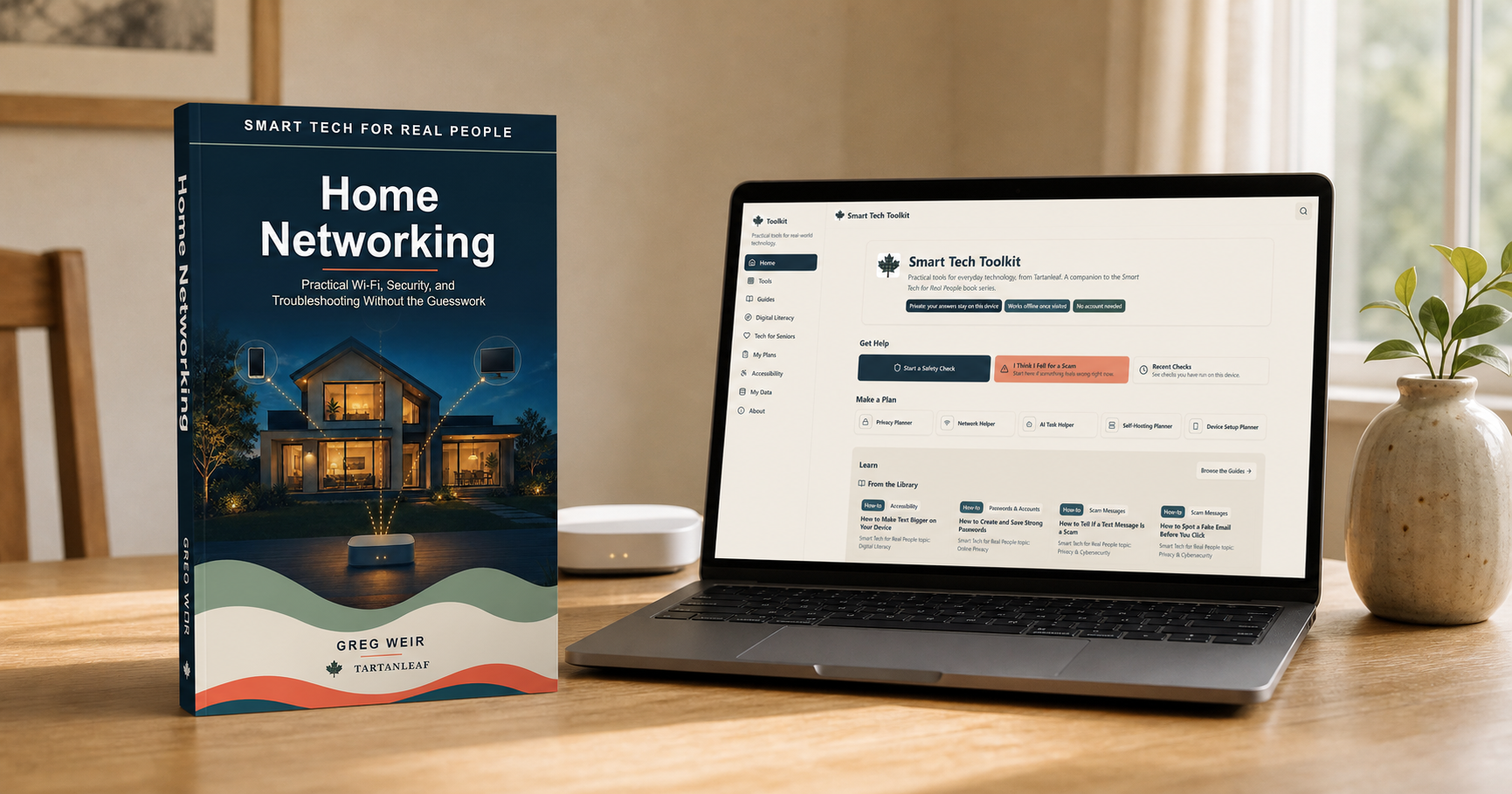
    Technology is supposed to make life easier. For too many people, it does the opposite — it creates confusion, anxiety, and a sense that you are always behind. The problem is not you. The problem is that most technology is designed for engineers, sold by marketers, and explained by people who forgot what it is like to not know. Smart Tech for Real People is a series of practical technology guides that fix this. Each book tackles a specific topic with clear explanations, actionable steps, and a focus on what actually matters in your daily life.

    The Philosophy Behind Practical Technology Guides

    Every book in this series follows three principles:

    • Clarity over completeness — I cover what you need to know, not everything that could possibly be said. No filler, no fluff, no 500-page tomes that never get read.
    • Action over theory — You should finish a book with something you can do differently today. Not vague advice, not inspirational fluff. Concrete steps.
    • Respect for your time — You are busy. I assume you are reading because you want to solve a problem or understand something, not because you have nothing better to do. Every section earns its place.

    Practical Technology Guides: The Series So Far

    practical technology guides for everyday users

    Smart Tech for Real People currently covers twelve topics, with more practical technology guides in development:

    Digital Foundations

    • Digital Literacy — Understanding the technology you use every day. How computers, phones, and the internet actually work, without the jargon.
    • Privacy & Cybersecurity — Protecting your accounts, devices, and information. Practical security for real people who do not have an IT department.
    • Online Privacy — Controlling what the internet knows about you. Browser settings, search alternatives, and habits that actually matter.

    Home & Network

    • Home Networking — Wi-Fi, routers, and getting the most from your internet. Fix dead zones, understand speed tests, and stop paying for bandwidth you cannot use.
    • Family Internet Safety — Protecting children and managing shared home internet. Parental controls, screen time, and conversations that work.
    • Smart Homes — Making your home work for you, simply and securely. Automation without surveillance, convenience without complexity.

    Self-Hosting & Independence

    • The Modern Homelab — Your home, your servers, your rules. Run services at home without turning your basement into a data center.
    • Self-Hosting — Own your data, run your services, control your digital life. Email, cloud storage, calendars, and more — on your own hardware.
    • Local AI — Run AI on your own hardware with no cloud or subscriptions. Private, fast, and surprisingly capable.
    • Personal AI Assistants — AI that works for you, on your terms, on your devices. No creepy listening, no data harvesting, no subscription lock-in.
    • AI Tools for Everyday Life — Practical AI for real people, no hype or coding required. Writing, research, images, and productivity — explained clearly.

    Accessible Technology

    • Smart Tech for Seniors — Technology that works for you, not against you. Designed for older adults who want to stay connected without frustration.

    Why Practical Technology Guides Need the Book Format

    I chose a book series over a blog or video channel because books force discipline. A blog post can be helpful but it is usually narrow — one tip, one trick, one explanation. A book demands a complete, coherent treatment of a topic. It has to flow. It has to connect ideas. It has to be readable cover-to-cover or usable as a reference.

    That is what these practical technology guides aim to be: a reference library you can actually use. Not a collection of blog posts bound together, but real books written as real books.

    What Is Next for Practical Technology Guides

    The first batch of practical technology guides is in editing and production. I will release them as they are ready, starting with the topics that have the clearest demand. The website pages above will be updated with availability information, sample chapters, and links to purchase as each book launches.

    If you want to follow the series, the best way is to subscribe to the Smart Tech newsletter. I will send updates when new books are available, when existing books get updated, and when I publish related guides or tools.

    Explore the Smart Tech series →

    Subscribe to Smart Tech updates →

    For more on digital literacy and privacy, the Federal Trade Commission Consumer Advice and the Electronic Frontier Foundation are excellent resources for staying informed about online privacy and security.

  • RadioBook: The Complete Amateur Radio Learning System (5 Books + 12 Games)

    RadioBook: The Complete Amateur Radio Learning System (5 Books + 12 Games)

    Amateur radio learning should not be intimidating. Yet for most people, it is — because the resources are outdated, overly technical, or assume you already know electronics. RadioBook is designed to change that. It is a complete amateur radio learning system built for modern learners: five practical books paired with twelve interactive browser-based experiences. Each book covers a core area of ham radio knowledge, and each game or drill reinforces what you learn with hands-on practice. No installation, no coding, no prior experience needed.

    Five Books for Amateur Radio Learning

    The five books follow a natural progression — from absolute beginner to confident operator:

    • Welcome to Amateur Radio — Your first step into the world of ham radio. What it is, why it matters, and how to get started.
    • How Radio Works — Understand the magic behind every transmission. Propagation, antennas, circuits, and signal behavior without the dense engineering math.
    • Getting Your License — A complete study guide for the U.S. and Canadian amateur radio exams. Structured, practical, and focused on what actually appears on the tests.
    • On The Air — Your operating guide for newly licensed hams. How to make your first contact, use repeaters, and build confidence on the air.
    • Troubleshooting and Interference — When something goes wrong, know exactly what to do. Real patterns, real fixes, no guesswork.

    Twelve Interactive Experiences for Amateur Radio Learning

    amateur radio learning with interactive games

    The twelve interactive experiences are where RadioBook differs from every other ham radio book on the market. They run in your browser, work on any device, and give you immediate feedback. This hands-on approach to amateur radio learning makes concepts stick in a way that reading alone never does.

    Six Full Games

    • Band Propagation Simulator — Master the invisible paths your signal travels
    • Circuit Builder Challenge — Build circuits that actually compute
    • DX Station — Operate like you are on the air
    • Interference Defense — Stop the noise before it stops you
    • License Class Ladder — Escape-room your way to a license
    • Antenna Tuner — Match your antenna to your rig

    Six Focused Drills

    • Band Condition Estimation — Pick the right band at a glance
    • Callsign Copy under QSB — Copy weak callsigns by ear
    • CW Training — Learn Morse at your own speed
    • Interference Audio ID — Name that noise
    • Phonetics Copying — Phonetics under pressure
    • Q-Code Rapid-Fire — Know your Q-codes cold

    Why Amateur Radio Learning Needs to Be Different

    I got my amateur radio license because I was curious about how radio actually works. The existing resources were either too shallow to be useful or too technical to be approachable. I wanted something in the middle: rigorous enough to actually teach, friendly enough to not intimidate.

    RadioBook is that middle ground. It assumes you are smart and motivated, but it does not assume you already know electronics, physics, or radio engineering. Every concept is explained clearly, every game gives you practice, and every book builds on the one before it.

    Current Status: Amateur Radio Learning

    RadioBook volumes 1, 2, and 3 are available now. Volumes 4 and 5 are complete and ready for publication, but delayed by a 3+ month ISBN backlog at Library and Archives Canada. Estimated release: October–November 2026. The website is live, the game suite is running, and all five books are finished. If you want updates, you can sign up and I will notify you as each piece becomes available.

    Learn more about RadioBook →

    Get early access →

    Or subscribe to the RadioBook newsletter for updates on new releases, game additions, and amateur radio resources.

    For more information about amateur radio in Canada, visit the Radio Amateurs of Canada website. The American Radio Relay League (ARRL) is also an excellent resource for ham radio operators worldwide.

  • Bitaxe Community Update – Mid‑June 2026

    Bitaxe Community Update – Mid‑June 2026

    Bitaxe’s mid-June 2026 update centers on firmware maintenance, with ESP-Miner v2.8.1 fixing a memory leak and continuing gradual improvements to diagnostics, the web UI, and miner stability. The project remains actively supported, with changes aimed at making existing hardware easier to run reliably. This is part of the overall Bitaxe community update.

    Bitaxe also stays visible in solo-mining coverage and ongoing discussion of BM1373-based future hardware. No broadly available new BM1373 release appears to have launched yet, but the current lineup remains relevant while the next generation takes shape.

    Bitaxe’s mid-June 2026 update centers on firmware maintenance, with ESP-Miner v2.8.1 fixing a memory leak and continuing gradual improvements to diagnostics, the web UI, and miner stability. The project remains actively supported, with changes aimed at making existing hardware easier to run reliably. This is part of the overall Bitaxe community update.

    Bitaxe also stays visible in solo-mining coverage and ongoing discussion of BM1373-based future hardware. No broadly available new BM1373 release appears to have launched yet, but the current lineup remains relevant while the next generation takes shape.

    Over the past month, the Bitaxe ecosystem has kept advancing mainly through firmware polish, stability work, and continuing discussion around next-generation hardware rather than through a major new public board launch. The clearest concrete development since mid-May is a fresh ESP-Miner release in early June, while Bitaxe remains prominent in ongoing solo-mining coverage and BM1373 speculation.

    Firmware and ESP‑Miner progress

    The biggest software change since the last update is the ESP-Miner v2.8.1 release, published on June 6, 2026. Its headline fix is a memory leak in the info API, making this a practical maintenance release for miners who want better long-run stability rather than flashy new features.

    That release builds on a broader pattern already visible in recent ESP-Miner updates: better diagnostics, gradual web UI cleanup, and improvements to miner behavior under normal day-to-day operation. Recent release notes also point to refinements such as expected hashrate reporting, dashboard cleanup, and other quality-of-life fixes that make Bitaxe easier to monitor and tune.

    For most hobby miners, the main takeaway is straightforward: the firmware is still actively maintained, and recent work is focused on making existing hardware more reliable and easier to manage. That is less dramatic than a new hardware drop, but it is exactly the kind of progress that matters for 24/7 desk or shelf miners.

    Solo-mining narrative keeps growing

    Bitaxe also continues to appear in current solo-mining coverage as an example of the “small miner, real chance” category. A June 2026 report on solo-mining successes specifically mentions the Bitaxe Gamma 601 as an open-source option, putting Bitaxe right in the middle of the ongoing discussion about hobby miners still landing full block rewards in 2026.

    That is important because it reinforces the shift in how Bitaxe is perceived. It is no longer just an experimental curiosity for hardware tinkerers; it is increasingly treated as a recognizable platform in the broader story of solo Bitcoin mining and mining decentralization.

    For readers following the project casually, the story has not changed much in principle, but it has become more credible in practice: tiny miners still face extremely long odds, yet Bitaxe remains one of the devices most often cited when people talk about those odds actually paying off.

    Hardware outlook: BM1373 still the big question

    On the hardware side, the most persistent discussion remains the BM1373 ASIC and what it could mean for the next generation of Bitaxe-style miners. Community chatter and enthusiast posts continue to point to BM1373 as the likely foundation for future small-form-factor miners, with recurring claims of meaningfully better hashrate and efficiency than current BM1370-based designs.

    At the same time, there still does not appear to be a clear Bitaxe.org announcement of a broadly available new BM1373-based release in the last 30 days. In other words, the direction of travel looks increasingly obvious, but the present market is still defined mainly by current-generation hardware and anticipation rather than a fully arrived next wave.

    That makes mid-June feel like a transition point. The current Bitaxe lineup remains relevant and actively supported, while the next chapter is becoming easier to see even if it is not fully on the shelf yet.

    Broader mining backdrop

    Outside the Bitaxe project itself, the wider Bitcoin mining environment may give hobby miners a slightly more interesting near-term backdrop. One June 9 report projected a roughly 11% Bitcoin difficulty drop around June 14, which can improve sentiment around solo mining even if it does not fundamentally change the long odds for any one small machine.

    For Bitaxe users, that broader context matters mostly as morale and math rather than as product news. Firmware is improving, the solo-mining story remains active, and the community is clearly looking ahead to what BM1373-based designs could bring next.

    Here’s a blog-ready version in the same concise, reader-facing style as your mid-May post.

    Bitaxe Community Update – Mid‑June 2026

    Over the past month, the Bitaxe ecosystem has kept advancing mainly through firmware polish, stability work, and continuing discussion around next-generation hardware rather than through a major new public board launch. The clearest concrete development since mid-May is a fresh ESP-Miner release in early June, while Bitaxe remains prominent in ongoing solo-mining coverage and BM1373 speculation.

    Firmware and ESP‑Miner progress

    The biggest software change since the last update is the ESP-Miner v2.8.1 release, published on June 6, 2026. Its headline fix is a memory leak in the info API, making this a practical maintenance release for miners who want better long-run stability rather than flashy new features.

    That release builds on a broader pattern already visible in recent ESP-Miner updates: better diagnostics, gradual web UI cleanup, and improvements to miner behavior under normal day-to-day operation. Recent release notes also point to refinements such as expected hashrate reporting, dashboard cleanup, and other quality-of-life fixes that make Bitaxe easier to monitor and tune.

    For most hobby miners, the main takeaway is straightforward: the firmware is still actively maintained, and recent work is focused on making existing hardware more reliable and easier to manage. That is less dramatic than a new hardware drop, but it is exactly the kind of progress that matters for 24/7 desk or shelf miners.

    Solo-mining narrative keeps growing

    Bitaxe also continues to appear in current solo-mining coverage as an example of the “small miner, real chance” category. A June 2026 report on solo-mining successes specifically mentions the Bitaxe Gamma 601 as an open-source option, putting Bitaxe right in the middle of the ongoing discussion about hobby miners still landing full block rewards in 2026.

    That is important because it reinforces the shift in how Bitaxe is perceived. It is no longer just an experimental curiosity for hardware tinkerers; it is increasingly treated as a recognizable platform in the broader story of solo Bitcoin mining and mining decentralization.

    For readers following the project casually, the story has not changed much in principle, but it has become more credible in practice: tiny miners still face extremely long odds, yet Bitaxe remains one of the devices most often cited when people talk about those odds actually paying off.

    Hardware outlook: BM1373 still the big question

    On the hardware side, the most persistent discussion remains the BM1373 ASIC and what it could mean for the next generation of Bitaxe-style miners. Community chatter and enthusiast posts continue to point to BM1373 as the likely foundation for future small-form-factor miners, with recurring claims of meaningfully better hashrate and efficiency than current BM1370-based designs.

    At the same time, there still does not appear to be a clear Bitaxe.org announcement of a broadly available new BM1373-based release in the last 30 days. In other words, the direction of travel looks increasingly obvious, but the present market is still defined mainly by current-generation hardware and anticipation rather than a fully arrived next wave.

    That makes mid-June feel like a transition point. The current Bitaxe lineup remains relevant and actively supported, while the next chapter is becoming easier to see even if it is not fully on the shelf yet.

    Broader mining backdrop

    Outside the Bitaxe project itself, the wider Bitcoin mining environment may give hobby miners a slightly more interesting near-term backdrop. One June 9 report projected a roughly 11% Bitcoin difficulty drop around June 14, which can improve sentiment around solo mining even if it does not fundamentally change the long odds for any one small machine.

    For Bitaxe users, that broader context matters mostly as morale and math rather than as product news. Firmware is improving, the solo-mining story remains active, and the community is clearly looking ahead to what BM1373-based designs could bring next.

    In summary, this Bitaxe community update reflects ongoing progress in firmware maintenance and community discussions surrounding the future of Bitaxe and its ecosystem.

    Interested in hands-on learning? If you enjoy building and experimenting with technology, check out RadioBook — our complete amateur radio learning system with interactive browser-based experiences. Learn ham radio the modern way with five practical books and twelve interactive games.

    Want to learn more about Bitcoin mining? Check out Bitcoin Mining with Bitaxe — a practical, beginner-friendly guide to building and running your own Bitaxe miner at home. And if you’re looking for other practical tech guides, browse the full Tartanleaf collection.

    Missed last month’s update? Read the Bitaxe Community Update – May 2026 for earlier firmware and hardware news.

  • Bitaxe Community Update – Mid‑May 2026

    Bitaxe Community Update – Mid‑May 2026

    Over the past few weeks the Bitaxe ecosystem has kept up a steady pace of firmware work, tuning, and future‑hardware discussion, even without a brand‑new board release. Here are the key highlights for hobbyists and solo miners.

    Firmware and ESP‑Miner progress

    Development on the ESP‑Miner firmware (the core firmware for Bitaxe boards) continues at a rapid clip. The Bitaxe.org GitHub org remains very active, with ongoing changes across the miner core, web UI, and API.github+1

    • The current “early access” branch for 2026 is being treated as a canary / preview line rather than a stable release. Maintainers explicitly flag it as test‑only, with merged pull requests reflecting in‑progress features for adventurous users.
    • Recent ESP‑Miner release notes emphasize quality‑of‑life improvements: better pool‑failover behavior, clearer log messages, and refinements to the built‑in self‑test and fan control routines. This includes fixes to self‑test timeouts, improved reporting of current and voltage, and small UI adjustments.

    For most home miners, the takeaway is that firmware is still evolving, with more attention on stability, diagnostics, and pool behavior rather than on headline‑grabbing features.

    Overclocking and performance tuning

    Late‑March and early‑April content has turned into practical tuning guidance that’s still very current in May. Solo Satoshi posted a detailed 2026 overclocking guide that walks through safe voltage and frequency bands for the current Bitaxe lineup, including Gamma, Supra, Ultra, Hex, and GT.

    • The guide breaks out per‑model suggestions instead of one “max everything” setting, and repeatedly stresses realistic PSU sizing, cooling, and 24/7 stability.
    • Community posts and vendor guides now converge on the idea that fine‑tuned firmware + airflow + good PSUs matter as much as raw MHz when you’re trying to squeeze more GH/s out of BM1368/BM1370 boards without cooking them.d‑central+1

    If you’re already running current firmware, the main “new” value here is better, battle‑tested reference points for long‑term stable clocks rather than guesswork.

    Bitaxe in solo‑mining discussions

    Even though no new Bitaxe hardware has dropped in the last month, Bitaxe still features prominently in fresh solo‑mining coverage:

    • A May 2026 deep‑dive on solo mining uses Bitaxe and NerdQAxe setups as concrete examples, citing six documented solo block wins by open‑source miners (Bitaxe Ultra, Bitaxe Gamma, clusters, NerdQAxe++ and similar) between March 2025 and early 2026.millionminer+1
    • Those pieces drive home the same point many in the community have been making: the odds are long, but real blocks have been found by “hand‑sized” miners, anchoring all the probability calculators in actual outcomes.d‑central+1

    From a narrative standpoint, Bitaxe has shifted from “experimental curiosity” to a case‑study device for realistic solo‑mining odds.

    Hardware outlook: BM1373 on the horizon

    On the hardware side, the last few weeks have brought more talk about the next generation of chips rather than boards you can buy today:

    • A late‑April community update highlighted Bitmain’s new BM1373 ASIC, noting that it’s expected to power upcoming Bitaxe and NerdQAxe designs.
    • The same discussion mentions that as BM1373‑based gear approaches market, BM1370‑based miners are already seeing price pressure, making current‑gen boards more affordable for hobbyists.

    Nothing is shipping yet under the Bitaxe.org banner with BM1373, but it’s now being discussed explicitly as the likely foundation for “next‑wave” Bitaxe and NerdQAxe hardware.

    Market / ecosystem context

    Broader miner roundups and buying guides updated this year still place Bitaxe firmly in the 2026 hobby‑mining landscape:

    • Recent USB/BTC‑miner guides list the Bitaxe Gamma series as a standout for hobby solo mining, quoting ~1.1–1.3 TH/s at around 18–20 W, and positioning it as an efficient, open‑source alternative in a market full of proprietary sticks.
    • Bitaxe comparison and buying guides from early 2026 continue to describe Gamma and GT as the “serious solo” options, with Supra and Ultra remaining popular, mature boards for entry‑level and tinkering.d‑central+1

    For anyone just discovering Bitaxe now, that means the current generation is still very relevant while the community quietly prepares for BM1373‑based successors.

    Want to start mining? If you’re ready to build your own Bitaxe, check out the Bitcoin Mining with Bitaxe guide for a complete beginner-friendly walkthrough. And for the latest news, see the June 2026 community update.

    Bitaxe Community Update May 2026

  • Bitcoin Mining with Bitaxe — Now Available!

    Bitcoin Mining with Bitaxe — Now Available!

    A new book, Bitcoin Mining with Bitaxe, has been released after a delay caused by the work of writing, building the site, testing hardware, and making the examples reproducible. It is presented as a practical, beginner-friendly guide to building and running a Bitaxe miner at home and understanding Bitcoin mining.

    The book explains solo mining as a low-probability technical lottery while emphasizing it as a hands-on way to learn proof-of-work and experiment with low-power hardware. The post also points readers to the book’s Amazon listing and supporting page, and says it begins a broader series of practical guides.

    A new book, Bitcoin Mining with Bitaxe, has been released after a delay caused by the work of writing, building the site, testing hardware, and making the examples reproducible. It is presented as a practical, beginner-friendly guide to building and running a Bitaxe miner at home and understanding Bitcoin mining.

    The book explains solo mining as a low-probability technical lottery while emphasizing it as a hands-on way to learn proof-of-work and experiment with low-power hardware. The post also points readers to the book’s Amazon listing and supporting page, and says it begins a broader series of practical guides.

    A new book, Bitcoin Mining with Bitaxe, has been released after a delay caused by the work of writing, building the site, testing hardware, and making the examples reproducible. It is presented as a practical, beginner-friendly guide to building and running a Bitaxe miner at home and understanding Bitcoin mining.

    The book explains solo mining as a low-probability technical lottery while emphasizing it as a hands-on way to learn proof-of-work and experiment with low-power hardware. The post also points readers to the book’s Amazon listing and supporting page, and says it begins a broader series of practical guides.

    The release of the Bitcoin Mining with Bitaxe book has been anticipated for a while, and it finally brings fresh insights to the mining community.

    Today, though, I finally get to share the reason for the silence.

    My new book, Bitcoin Mining with Bitaxe, is now available.

    One of the key topics covered in the Bitcoin Mining with Bitaxe book is the importance of selecting the right hardware for mining tasks.

    By following the strategies in the Bitcoin Mining with Bitaxe book, new miners can enhance their chances of success.

    This project started as a simple idea: create a clear, practical guide that helps real people understand Bitcoin mining without needing a warehouse full of hardware or a background in electrical engineering. Along the way, it grew into something bigger — a complete, beginner‑friendly walkthrough of building and running a Bitaxe miner at home, understanding the real odds of solo mining, and learning how Bitcoin’s proof‑of‑work system actually functions.

    Readers will find that the Bitcoin Mining with Bitaxe book answers many common questions about the mining process.

    Check out the Bitcoin Mining with Bitaxe book to see how it can demystify the complexities of mining.

    Explore the Insights of the Bitcoin Mining with Bitaxe book

    The Bitcoin Mining with Bitaxe book contains valuable resources for anyone looking to start their mining journey.

    Learn more about the Bitcoin Mining with Bitaxe book and its relevance in today’s digital landscape.

    As you explore the book, consider how the Bitcoin Mining with Bitaxe book can influence your mining techniques.

    For those interested in learning more, the Bitcoin Mining with Bitaxe book provides comprehensive insights and practical tips.

    The book is honest about the numbers. Solo mining is a long shot — a kind of technical “lottery” with very poor odds. But it’s also a fun, low‑power, hands‑on way to learn how mining works, experiment with hardware, and participate in Bitcoin in a way most people never do.

    If that sounds interesting, you can find the book here:

    👆 Global Amazon link:
    https://kdpbook.link/for/B0GXFMJF53

    And you can see the cover, details, and supporting material on the book’s page:

    👆 https://www.tartanleaf.com/bitcoin-mining-with-bitaxe/

    This release also marks the beginning of something I’ve wanted to build for a long time: a series of practical, approachable guides under the Smart Tech for Real People banner. You can browse all Tartanleaf books to see what else is in the works. More on that soon — now that the first book is out the door, the rest of the pieces can finally start to fall into place.

    If you pick up the book, I hope you enjoy it. If you’ve been waiting for this update, thank you for your patience. And if you’re curious about what’s coming next, stay tuned — this is just the beginning.

  • bitcoin-mining-with-bitaxe-updates

    bitcoin-mining-with-bitaxe-updates

    A living update thread accompanies the Bitaxe mining guide with clarifications, corrections, and new notes that reflect changes in hardware, firmware, tuning, and troubleshooting. It is meant to keep the printed book current as the open-source mining ecosystem evolves.

    The post says future entries will cover hardware revisions, firmware updates, efficiency addendums, dashboard integrations, and reader questions. It also announces upcoming notes on recent firmware changes and updated tuning ranges for Gamma boards.

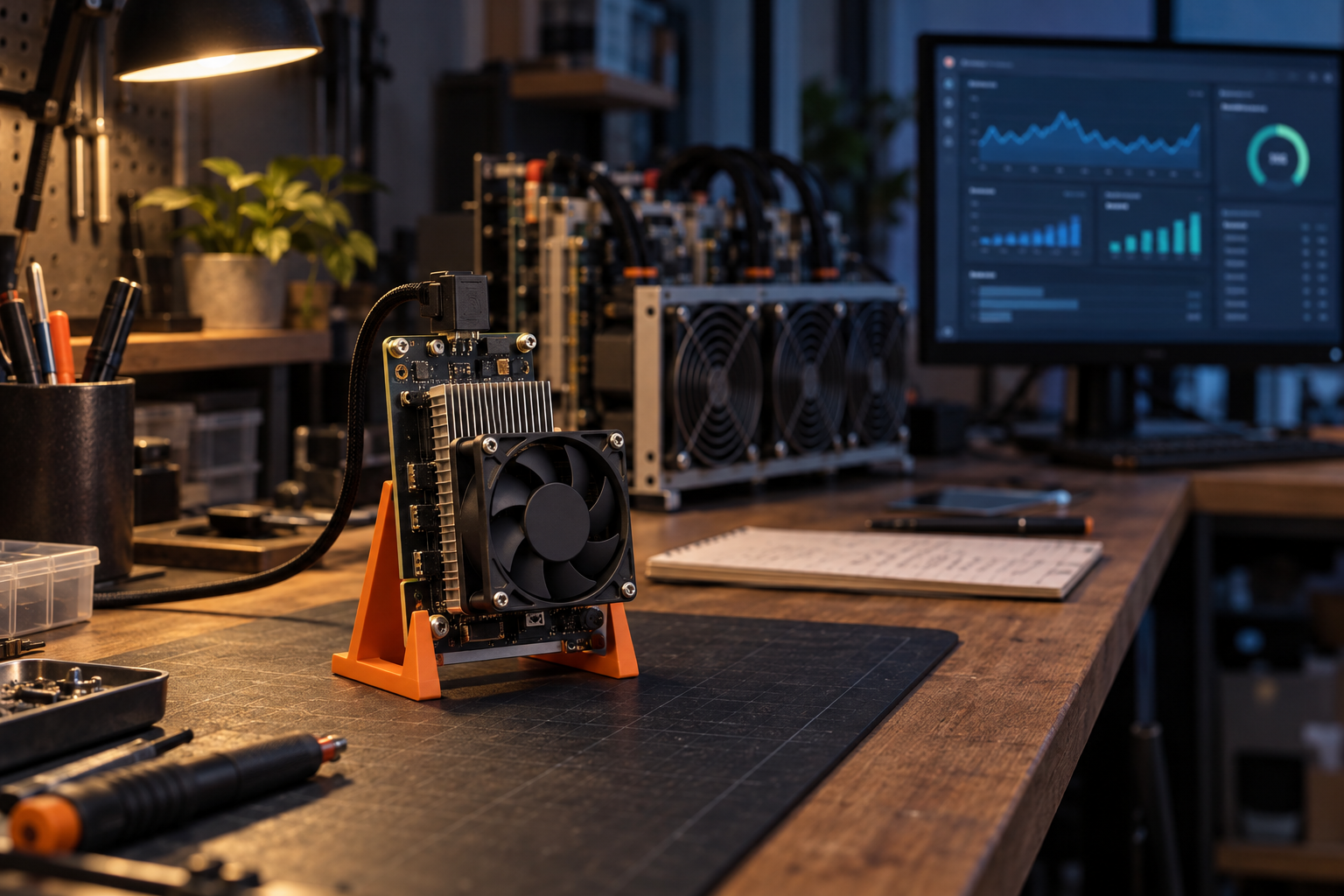
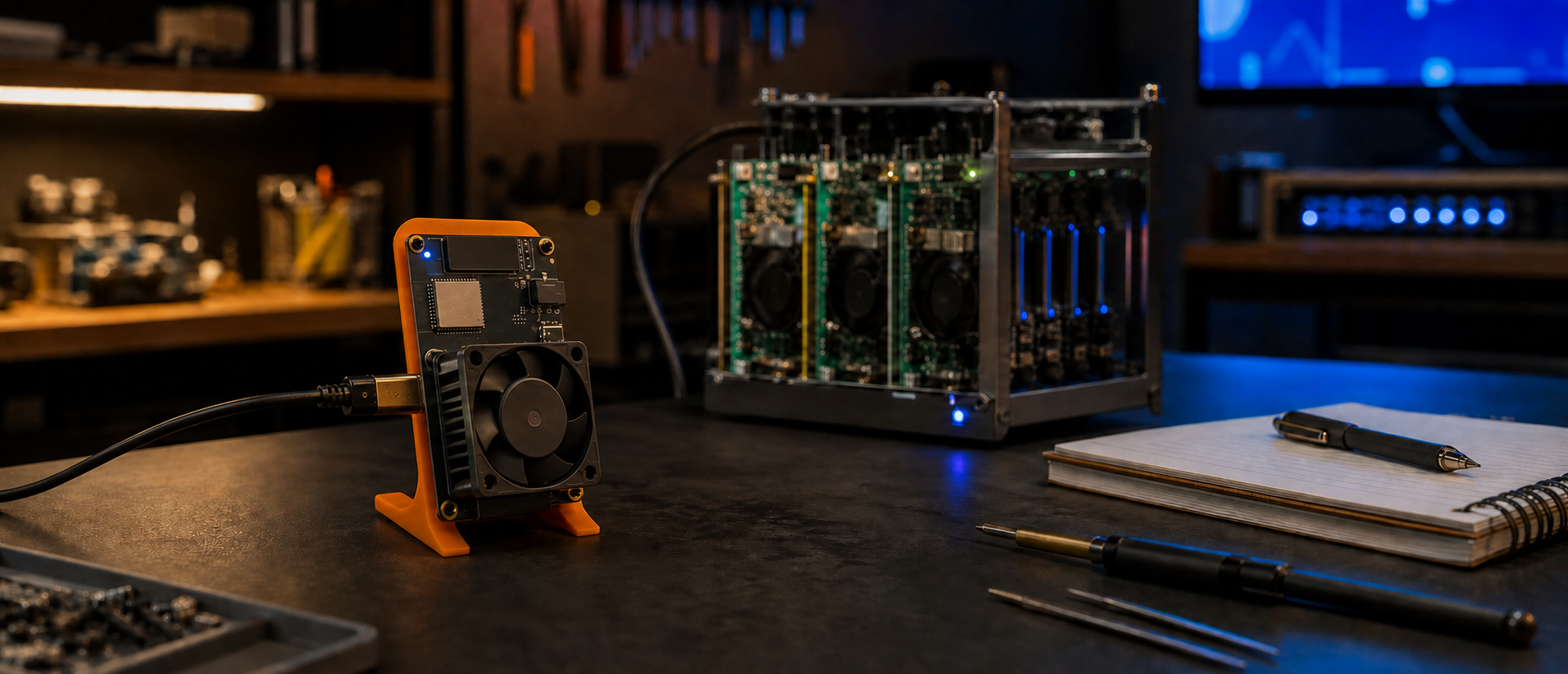
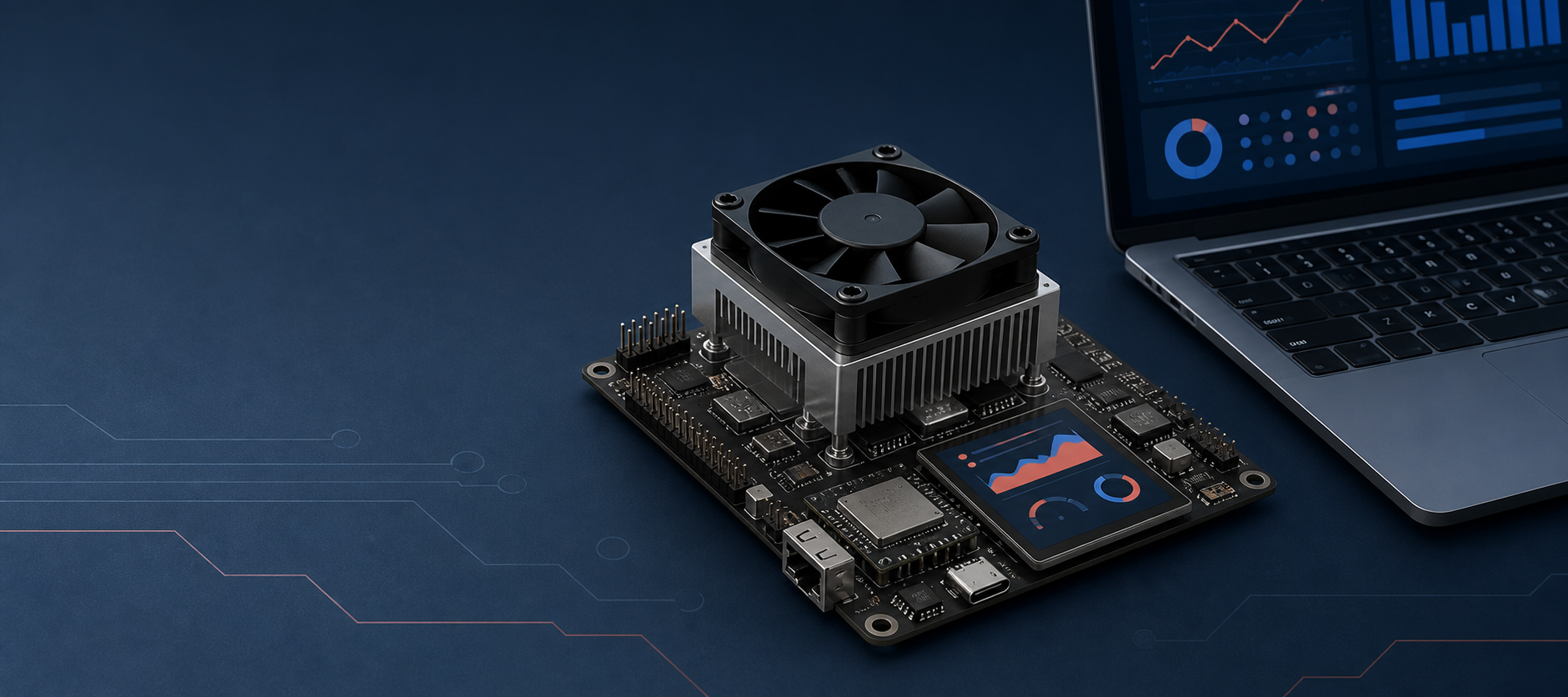
    Bitaxe open-source Bitcoin miner circuit board

    Bitcoin Mining with Bitaxe — Living Updates, Addendums, and Ongoing Notes

    The world of open‑source ASIC mining moves fast — faster than any printed book can keep up with. New Bitaxe revisions appear, firmware evolves, dashboards improve, and the OSMU community continues to push the boundaries of what small‑scale miners can do at home.

    This post marks the beginning of a living update thread for Bitcoin Mining with Bitaxe: The Complete Guide to Open‑Source ASIC Mining at Home, Beginner to Advanced. Think of it as the book’s companion log: a place where I can publish clarifications, corrections, new examples, expanded explanations, and notes on hardware or firmware changes that arrive after the book goes to print.

    If you’re reading the book and want the freshest information, this is where you’ll find it.


    Why This Thread Exists

    A printed guide can give you a solid foundation — and that’s exactly what the book aims to do — but Bitaxe is a rapidly evolving open‑hardware project. Since the earliest Max boards, the pace of development has only accelerated. New boards, new tuning ranges, new dashboards, new node integrations, and new community tools appear constantly.

    Rather than waiting for a second edition, this thread lets me:

    • Publish addendums to specific chapters
    • Share updated tuning tables or efficiency ranges
    • Note firmware changes that affect setup or operation
    • Add new troubleshooting patterns as they emerge
    • Highlight new Bitaxe variants or open‑hardware siblings
    • Provide clarifications based on reader questions
    • Link to new community resources worth knowing about

    It keeps the book alive — and keeps you informed.


    What You’ll Find Here

    As updates accumulate, this thread will grow into a structured reference. Expect entries such as:

    • Hardware Updates

    New Bitaxe revisions, Turbo variants, Hex developments, or changes in recommended PSUs, fans, or accessories.

    • Firmware Notes

    Changes to AxeOS, new features, new configuration fields, or updated flashing instructions.

    • Tuning & Efficiency Addendums

    Revised frequency/voltage bands, updated J/TH ranges, or new insights from community testing.

    • Troubleshooting Expansions

    Additional patterns, new error messages, or improved diagnostic steps.

    • Node & Dashboard Integrations

    Updates to Umbrel, Raspiblitz, Home Assistant, Prometheus exporters, or new monitoring tools.

    • Clarifications & Reader Questions

    Short explanations that didn’t fit neatly into the book but help deepen understanding.

    Each update will be timestamped and linked back to the relevant chapter or appendix.


    How to Use This Thread

    If you’re reading the book:

    • Treat this thread as a living appendix
    • Check back periodically for new entries
    • Use it to cross‑reference your setup or troubleshooting
    • Follow along as the Bitaxe ecosystem evolves

    If you’re new to Bitaxe:

    • This thread gives you a sense of how quickly the project grows
    • It also shows how open‑source hardware benefits from community iteration

    If you’re an experienced miner or builder:

    • You may find new tools, dashboards, or firmware branches worth exploring
    • And if you spot something worth adding, feel free to reach out

    First Updates Coming Soon

    I’ll begin posting the first addendums shortly — including notes on recent firmware changes, updated tuning ranges for Gamma boards, and a few clarifications that didn’t make it into the manuscript.

    Thanks for being part of this project.
    Open‑source mining thrives when knowledge is shared, improved, and kept alive — and this thread is one more way to do exactly that.

    New to Bitaxe? Start with the complete guide. Browse all Tartanleaf technology guides or explore Smart Tech for Real People and RadioBook.